

Medical and Health • Imperial Clinic
Reviewed by Imperial Clinic Practitioners • Registered Chinese Medicine Practitioners in Sydney
Headaches and tension can affect concentration, sleep, mood, work and daily comfort. Some people experience dull pressure around the head, while others notice tightness in the neck, shoulders, jaw or upper back that seems to trigger or worsen headache symptoms.
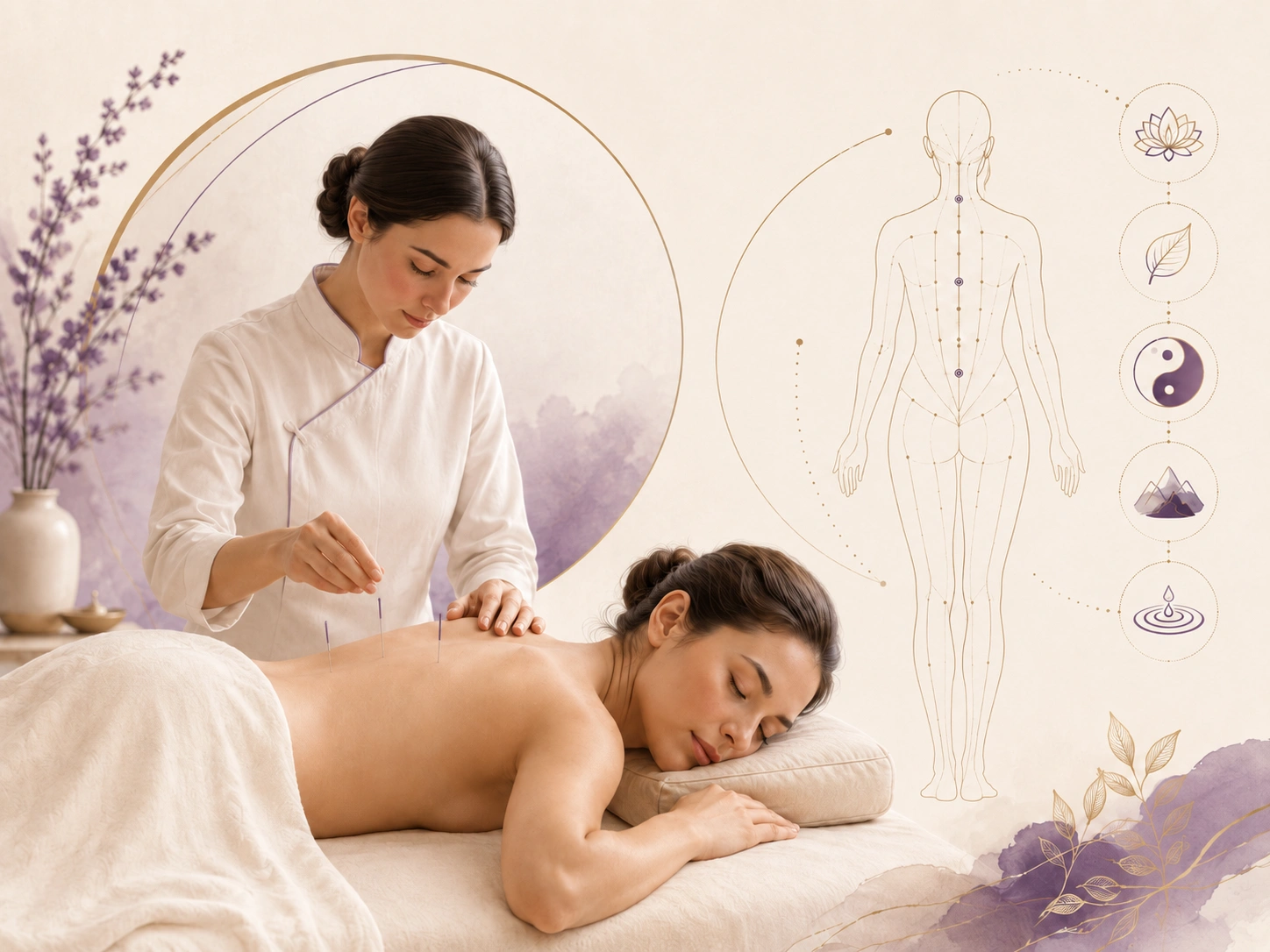
Acupuncture for headache and tension takes a personalised approach. At Imperial Clinic, treatment is tailored according to your headache pattern, neck and shoulder tension, stress levels, sleep, posture, lifestyle, constitution and Traditional Chinese Medicine assessment.
Headache & Tension Support
Acupuncture for Headache and Tension
In Traditional Chinese Medicine, headaches and tension may be associated with disrupted Qi movement, Liver Qi stagnation, Blood deficiency, muscle tightness, stress patterns, poor sleep or imbalances affecting the head, neck and upper body. Acupuncture aims to support circulation, relaxation and whole-body balance.
- May support tension headache and head pressure patterns
- May help ease neck, shoulder and jaw tightness
- Supports relaxation and nervous system balance
- Considers stress, sleep, posture and lifestyle factors
- Can be combined with herbal medicine or lifestyle guidance when suitable
- Focuses on both local discomfort and whole-body patterns
Common Headache and Tension Patterns
Headache patterns can vary from person to person. Some people feel pressure around the temples or forehead, while others experience tension starting from the neck and shoulders.
Patterns We Commonly Support
- Tension-type headache patterns
- Neck and shoulder-related head tension
- Stress-related tightness or pressure
- Jaw tension or clenching patterns
- Upper back stiffness and posture-related discomfort
- Headache patterns linked with poor sleep or fatigue
Why Headaches and Tension Can Happen
Headaches and tension may be influenced by stress, posture, muscle tightness, eye strain, sleep quality, dehydration, hormonal changes, jaw clenching, physical strain or underlying health conditions. A personalised assessment helps identify the pattern behind your symptoms.
Stress and Nervous System
Stress may increase muscle tension, affect sleep and make the body more sensitive to discomfort.
Posture and Muscle Tightness
Long hours at a desk, screen use or poor posture may contribute to neck, shoulder and upper back tension.
Sleep and Fatigue
Poor sleep, low energy or fatigue may affect recovery and increase recurring tension patterns.
Headache and Tension from a TCM Perspective
Traditional Chinese Medicine looks at headache location, timing, triggers, pain quality and related symptoms. Your practitioner may ask whether headaches are linked with stress, sleep, digestion, cycle changes, weather, posture or fatigue before choosing acupuncture points.
Qi and Blood Movement
Pain and tension may be assessed through Qi and Blood movement, circulation and stagnation patterns.
Liver Qi and Stress
Stress, frustration and emotional pressure may affect smooth Qi flow and contribute to head or neck tension.
Deficiency Patterns
Fatigue, poor sleep or recurring symptoms may be considered through Blood, Yin or Qi deficiency patterns.
How Acupuncture May Support Headache and Tension
Acupuncture uses fine, sterile needles to stimulate selected points on the body. Treatment may support relaxation, circulation, muscle release, nervous system balance and whole-body regulation.
Muscle Relaxation
Treatment may support neck, shoulder, jaw and upper back tension that contributes to head discomfort.
Stress Regulation
Acupuncture may help the body settle from a heightened stress state and support a calmer rhythm.
Whole-Body Balance
Care may consider sleep, digestion, fatigue, hormones and overall constitution as part of treatment planning.
Why Headache Location Matters
In Traditional Chinese Medicine, headache location can provide useful information. Pain around the temples, forehead, back of the head or top of the head may be associated with different meridian pathways and body patterns.
Temple Area
Temple tension may be associated with stress, jaw tightness or Liver/Gallbladder channel patterns in TCM.
Forehead Area
Forehead heaviness or pressure may be considered alongside digestion, sinus patterns, fatigue or tension.
Back of the Head
Pain or pressure at the back of the head may be linked with neck stiffness, posture or upper back tension.
The Link Between Headaches, Neck and Shoulder Tension
Many headache patterns are connected with tightness in the neck, shoulders, jaw or upper back. Long hours sitting, screen use, stress and poor posture may increase muscle tension and contribute to recurring head pressure.
- Neck stiffness may contribute to head pressure
- Shoulder tension may worsen stress-related headaches
- Jaw clenching may trigger temple or facial tension
- Posture and desk habits may influence recurring symptoms
- Acupuncture may address both local and related body patterns
Stress, Sleep and Headache Patterns
Stress and poor sleep can make headaches more likely for some people. When the body does not fully relax or recover, muscle tension and nervous system sensitivity may build over time.
Stress Load
Ongoing stress may increase tension, irritability, jaw clenching and difficulty relaxing.
Sleep Quality
Poor sleep may affect pain sensitivity, recovery, mood and overall resilience.
Recovery Capacity
Fatigue and overwork may make recurring headaches harder to settle without consistent support.
Can Herbal Medicine Support Headache and Tension Care?
In some cases, Chinese herbal medicine may be recommended alongside acupuncture when appropriate. Herbal formulas may be tailored to stress, sleep, fatigue, digestion, menstrual cycle patterns or recurring body imbalances related to headache and tension.
- Acupuncture may support point stimulation and tension release
- Chinese herbs may support internal body patterns when suitable
- Lifestyle guidance may focus on posture, sleep and stress
- Medication and health history should be reviewed before herbal use
- Your practitioner will recommend whether combined care is appropriate
Lifestyle Support for Headache and Tension
Acupuncture care may be supported by simple lifestyle adjustments. Your practitioner may suggest guidance based on your individual pattern, work habits and recovery needs.
Posture Awareness
Desk setup, screen height and regular movement may help reduce recurring neck and shoulder tension.
Stress Management
Breathing, walking, stretching or quiet time may support nervous system balance.
Sleep and Hydration
Consistent sleep, hydration and regular meals may support headache and tension management.
What to Expect During Treatment
Health Discussion
We discuss your headache pattern, tension areas, stress, sleep, posture and health history.
TCM Assessment
Your practitioner assesses your Traditional Chinese Medicine body pattern and constitution.
Gentle Acupuncture
Fine sterile needles are gently inserted at selected local and distal points while you rest comfortably.
Aftercare Support
You may receive personalised advice for posture, stretches, hydration, sleep or stress support.
Acupuncture for Headache and Tension in Sydney
Imperial Clinic provides personalised acupuncture and Traditional Chinese Medicine care for headache, neck tension, shoulder tension and stress-related discomfort in Sydney. Treatment plans are tailored according to your symptoms, constitution, health history and wellbeing goals.
When Should You Seek Medical Advice?
Headaches can have many causes. It is important to seek medical advice if symptoms are severe, sudden, unusual, worsening or associated with concerning signs. Acupuncture is supportive care and should not replace urgent medical assessment when needed.
- A sudden, severe or unusual headache
- Headache after injury, fall or accident
- Headache with weakness, confusion, vision changes or speech difficulty
- Fever, neck stiffness, vomiting or severe dizziness
- Headaches that are worsening or changing pattern
- Headaches that affect daily function or sleep frequently
Frequently Asked Questions
Can acupuncture help headaches?
Acupuncture may support headache patterns by addressing tension, stress, circulation and individual TCM body patterns.
Can acupuncture help tension headaches?
Acupuncture may be used as part of personalised care for tension headache patterns, especially when neck or shoulder tightness is involved.
How many sessions will I need?
This depends on your headache pattern, symptom frequency, health history and individual response to treatment.
Can acupuncture help neck tension?
Acupuncture may support neck, shoulder and upper back tension that contributes to head discomfort.
Can stress cause headaches?
Stress may contribute to muscle tension, jaw clenching, poor sleep and headache patterns in some people.
Should I still see a doctor?
Yes, especially if headaches are severe, sudden, changing, worsening or associated with other concerning symptoms.
Related Health Articles
Looking for Headache and Tension Support?
Book a consultation with our experienced practitioners and discover whether acupuncture and Traditional Chinese Medicine care may be suitable for your headache or tension patterns.
View Pain Management Services